


Trade-In Your Vehicle in Des Moines: What Your Car is Really Worth at CarHop
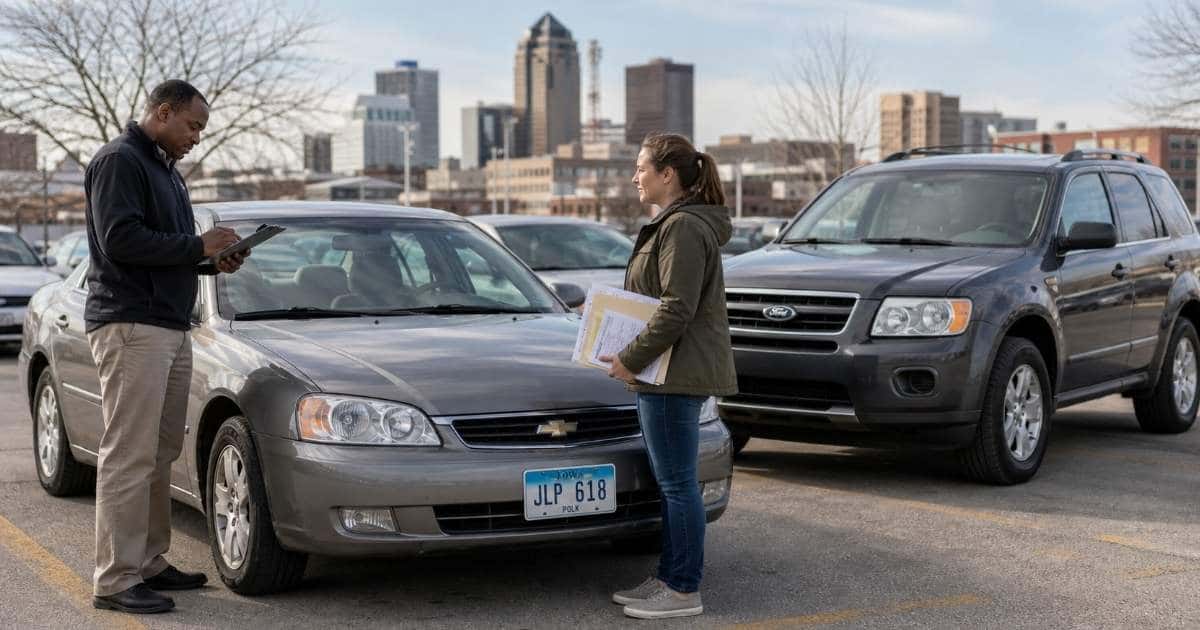
Trade In Vehicle Des Moines
Your car’s trade-in value comes down to condition, mileage, title status, records, market demand, and payoff details.
This guide explains what affects your appraisal and how to prepare before visiting CarHop of Des Moines.
What Determines Your Trade-In Value in Des Moines
Trade-in value isn’t a number pulled from thin air. It reflects what we can realistically retail or wholesale the vehicle for, after accounting for reconditioning and market risk. Whether you’re exploring your options for the first time or ready to move forward, the same core variables apply.
Physical condition, mileage, local market demand, title status, maintenance history, and your loan payoff amount all feed into the final number. No single factor tells the whole story, but together they paint a clear picture of what we can reasonably offer.
Mileage and Age: Where Every Appraisal Starts
Age and mileage are the baseline for estimating wear and depreciation, and they’re among the first things we look at. Generally speaking, a newer vehicle with lower mileage will receive a stronger offer because it likely has more useful life ahead of it.
That said, the relationship between age and mileage isn’t always straightforward. A 10-year-old vehicle that has been carefully maintained and has low mileage can sometimes hold comparable value to a newer model that’s been run hard. A newer vehicle with unusually high mileage may appraise lower than expected; an older one with low mileage may hold up better than you’d think. What matters most is the overall picture those two numbers help paint.
Vehicle Condition: How Your Car’s Story Shows in the Numbers
Beyond mileage and age, the physical and mechanical condition of your vehicle carries serious weight during an appraisal. We look at the exterior for dents, scratches, or rust; the interior for cleanliness and wear; and the mechanical systems to confirm everything functions as it should. Tire wear, windshield damage, warning lights, and signs of deferred maintenance all factor into the evaluation.
A car that shows signs of neglect, even if it runs fine, can take a noticeable hit in trade-in value. A well-kept vehicle often commands a stronger offer because it costs less to prepare for resale. Condition is one area where some preparation before your appraisal can genuinely move the needle.
How Title Status and Maintenance Records Affect Your Offer
Title status is one of those details people sometimes overlook, but it carries real weight in any vehicle appraisal. A clean title, meaning the vehicle hasn’t been declared a total loss by an insurer, typically leads to a significantly stronger offer than a salvage or rebuilt title. Title issues raise questions about past damage, legal status, and resale difficulty, and those concerns are reflected in the offer.
Maintenance records are equally valuable, even though they’re not always required. A documented service history gives us confidence that the vehicle has been looked after properly. It removes guesswork from the evaluation. Oil changes, tire rotations, brake service, inspections, if you’ve kept those receipts, bringing them along is well worth it. Records don’t guarantee a higher offer, but they reduce uncertainty and support the case for your car’s condition.
Market Demand and Timing: Why Not All Cars Are Worth the Same
Even two identical vehicles can receive different trade-in offers depending on when and where they’re being appraised. Local market demand shifts constantly, and we pay close attention to what’s selling in the area. SUVs and trucks often see stronger demand during certain seasons or economic cycles, while compact sedans may fluctuate differently.
Fuel prices also play a role. When gas prices rise, fuel-efficient vehicles tend to gain in trade-in desirability. When prices drop, larger vehicles often bounce back. A vehicle that fits current buyer interest in the Des Moines market may receive a stronger offer than one with limited local demand. Timing your trade-in to align with favorable conditions won’t always be possible, but understanding these forces helps explain why two similar cars can receive different offers.
Know Your Numbers Before You Visit
If you still owe money on your vehicle, your payoff amount matters. Start with financing options or contact CarHop of Des Moines before your appraisal.
Payoff Considerations: Trading In a Car You Still Owe Money On
Trading in a vehicle you’re still financing is more common than you might think, and it’s a workable situation as long as you go in informed. The key figure to know before your appraisal is your payoff amount, the exact balance needed to fully settle the loan with your lender.
If your trade-in value exceeds what you owe, that difference can typically be applied toward your next vehicle purchase. If you owe more than the car is worth, that gap is called negative equity. The difference is still owed, and it’s important to understand that going in. Negative equity can be rolled into new financing, which is an option we work through with many of our customers. Neither situation should stop you from exploring your options, but knowing your numbers ahead of time makes the conversation more productive.
One more thing worth clarifying: your credit score does not affect your trade-in value. The appraisal is based entirely on the vehicle. Credit affects your financing terms, not what we offer for your car.
If you’d like to get a sense of your financing options before your appraisal, our fast approval page is a good place to start.
How to Put Your Best Foot Forward Before Your Appraisal
Preparation genuinely matters when it comes to getting the strongest offer you can. A little time invested before your appointment can influence your offer in meaningful ways.
Simple Steps That Can Help Strengthen Your Trade-In Value
Start with a thorough cleaning, both inside and out. Wash the exterior, vacuum the interior, wipe down surfaces, and clean the windows. If there are small cosmetic issues like a cracked trim piece or a burnt-out bulb, addressing those inexpensive fixes can shift the overall impression. Check the tire pressure and top off fluids if needed. None of these things will dramatically change your offer on their own, but they contribute to the sense that the vehicle has been cared for.
If any warning lights are on and the fix is straightforward, addressing them before the appraisal is worth considering. Removing all personal items is also a simple step that presents the car more cleanly.
What’s generally not worth doing: expensive mechanical overhauls. Major repairs rarely return their full cost at trade-in. Focus on first impressions and visible-wear improvements rather than trying to recoup significant repair investments through a higher offer.
Documents and Records to Bring Along
Having the right paperwork ready keeps the process moving efficiently. Bring the following:
- ✓ Vehicle title, if available.
- ✓ Payoff information from your lender, if you have a loan.
- ✓ Current registration.
- ✓ Service and maintenance records.
- ✓ Key fobs or spare keys.
- ✓ Accident or repair documentation, if relevant.
If the title is in someone else’s name, make sure you understand what’s needed to transfer ownership properly before you arrive.
Iowa Trade-In Tax Credit: A Local Financial Benefit Worth Knowing
One benefit that often goes unmentioned: in Iowa, the trade-in value of your vehicle may reduce the taxable amount on your new vehicle purchase. That means you may only pay sales tax on the difference between your trade-in value and the purchase price of your next vehicle, not the full purchase price. It’s a concrete, locally relevant financial advantage that can add up meaningfully depending on the value of your trade-in.
How CarHop of Des Moines Evaluates Your Trade-In
When you bring your vehicle to us, we assess trade-in value using the factors covered throughout this article: mileage, age, overall condition, title status, maintenance history, local market demand, and payoff balance if applicable. Our goal is to give you a clear, straightforward picture of what your vehicle is worth and how that value can support your next purchase.
We’ll walk you through how the offer is determined so there’s no guesswork on your end. As a dealership that specializes in helping customers with credit challenges, we understand that a trade-in is often just one piece of a larger financial picture. We apply your trade-in value toward your next vehicle purchase and work through the financing side in a way that reflects your actual situation.
Bring Your Vehicle to CarHop of Des Moines for a Trade-In Review
If you’re ready to find out what your car is really worth, we make it straightforward to get started. CarHop of Des Moines is located at 2527 SE 14th Street, Des Moines, IA 50320. Our team handles all kinds of trade-in situations, whether your vehicle has a clean title and low miles, carries an outstanding loan balance, or involves a more complex credit situation.
Getting a trade-in review with us is also a natural starting point if you’re shopping for your next vehicle. We offer quality pre-owned inventory with in-house financing designed for buyers who may not qualify with traditional lenders. That combination makes this a practical stop for anyone looking to trade in their car and move forward with confidence.
We’re open Monday through Friday from 10 AM to 6 PM and Saturday from 10 AM to 5 PM. You can also reach us at (515) 244-4377 or schedule your visit online at a time that works for you.
Frequently Asked Questions About Trading In Your Vehicle in Des Moines
What determines trade-in value in Des Moines?
Trade-in value is influenced by physical condition, mileage, local market demand, title status, maintenance history, and your loan payoff amount.
Does my credit score affect my trade-in value?
No. Your credit score does not affect your trade-in value. The appraisal is based on the vehicle, while credit affects financing terms.
Can I trade in a car I still owe money on?
Yes. Trading in a financed vehicle is common. Your payoff amount determines whether you have positive equity or negative equity going into the next purchase.
What documents should I bring for a trade-in review?
Bring the vehicle title if available, payoff information if you have a loan, current registration, service records, key fobs or spare keys, and any accident or repair documentation.
Where is CarHop of Des Moines located?
CarHop of Des Moines is located at 2527 SE 14th Street, Des Moines, IA 50320.
Ready to find out what your car is worth?
Contact CarHop of Des Moines or start fast approval today.
0 comment(s) so far on Trade-In Your Vehicle in Des Moines: What Your Car is Really Worth at CarHop